


Having a lavish garden in the yard can be stress-relieving. Imagine being exhausted from work, and once you get home, your eyes will be pampered with green and fresh scenery of your garden. It would be pleasant and refreshing, wouldn’t it?
However, many people think that only the gifted ones can grow vibrant plants. In reality, what you need is the correct knowledge of how to handle them. Here, we’ll learn three of those tricks!
1. A Proper Irrigation System
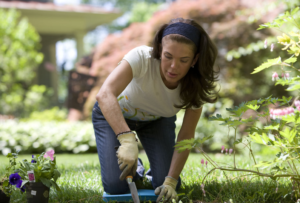 Hydration is the key to growing healthy and verdant plants. And watering them may look easy if you have a small yard, but once it spans 500 m2, it will be laborious. Besides, using sprinklers or other aerial watering methods are vulnerable to uneven water distribution. The leaves and the stems may look wet while not the soil. And this condition can lead to withering. In this case, you have to build an irrigation system so that all of your plants can be adequately nourished.
First, you have to know what a gate valve is. It is a device that can regulate, throttle, and stop the water flow. And you should prioritize investing your money on a good quality valve instead of others because it is the central part of your irrigation system. Second, you need to browse around for the pipe designs because some plant arrangements require specific pipework.
2. An Effective Drain System
Too much water can cause mold to grow and your plants to rot. If you install irrigation pipes in your garden without a proper drain system, you can expect your plants to die once the rainy season comes. A drain system is necessary whatever your situation is!
There are many types of garden drain: bog system, dry well, French drain, and corrugated plastic tubes. Each of them has their own ideal conditions to function efficiently. You should learn about them further on Landscapingnetwork.com.
3. Organic Fertilization
 Composting is definitely not an easy task. It takes energy, time, and dedication to perform, and yet the amount of fertilizer produced may not be comparable to the ones sold in home depot. However, homemade composts are the best fertilizer there is!
There are six methods of composting applicable for households: open-air, direct, tumbler, worm farm, closed-bins, and anaerobic composting. The open-air is the simplest among them, but it may produce an unpleasant smell. Closed-bins are the neatest and mess-free, but you will have to spend some dollars on the tank.