

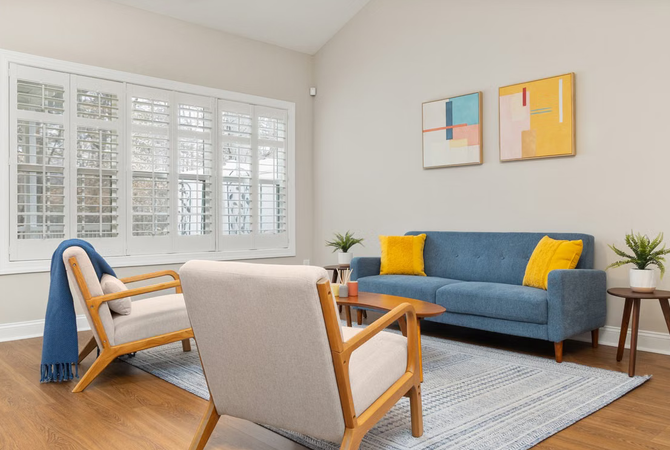
Interior design is filled with advice, but not all of it stands the test of time. Many homeowners unknowingly follow outdated rules or popular myths that prevent them from creating spaces that truly suit their lifestyles. While design principles can provide helpful guidance, treating them as strict rules often results in rooms that feel uninspired or impractical. By separating fact from fiction, you can make more confident design choices and create a home that reflects your personality, needs, and sense of style.
Myth 1: Every Room Needs to Match Perfectly
One of the biggest misconceptions in interior design is that every room should have the same colors, furniture styles, and finishes. While consistency is important, perfect uniformity can make a home feel repetitive and lacking in personality. Many designers working for Hauzisha Interiors encourage homeowners to create a sense of flow while allowing each room to have its own character. Using complementary colors, repeating a few materials, and maintaining a similar overall style creates harmony without sacrificing individuality.
Myth 2: Small Spaces Must Always Be White
White walls are often recommended for compact rooms because they reflect light and create the illusion of openness. However, that doesn’t mean darker colors should always be avoided. Rich blues, warm greens, charcoal grays, and earthy tones can make a small room feel cozy, elegant, and full of depth. The key is balancing paint colors with good lighting, mirrors, and thoughtfully selected furnishings. Sometimes a bold color choice creates a far more memorable space than plain white walls ever could.
Myth 3: Function Is Less Important Than Style
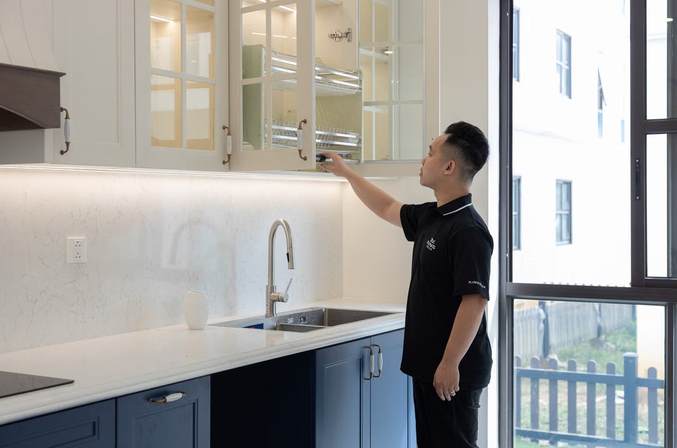
Some people believe that a beautiful room should prioritize appearance above everything else, but the most successful interiors balance both style and practicality. Comfortable seating, smart storage, durable materials, and layouts that suit daily routines are just as important as attractive finishes. When your home functions well for your lifestyle, it naturally feels more enjoyable to live in and easier to maintain over the long term.
Myth 4: Expensive Furniture Automatically Looks Better
A high price tag doesn’t guarantee great design. A beautifully styled room often combines investment pieces with affordable finds, vintage treasures, and meaningful accessories. The success of a space depends on how well each element works together rather than how much each item costs. Mixing different materials, finishes, and price points often creates a more authentic and welcoming atmosphere than purchasing an entire matching furniture collection.
Myth 5: More Decorations Make a Room Feel Complete
It’s easy to assume that filling every shelf, table, and wall with decorative objects will make a room feel finished. In reality, too many accessories can create visual clutter and distract from your home’s best features. Leaving some open space allows statement pieces to stand out and gives the eye room to rest. Thoughtfully chosen décor with personal meaning often has a much greater impact than displaying many decorative items.
Myth 6: Trends Should Dictate Every Design Decision
Design trends can be fun sources of inspiration, but they shouldn’t become the foundation of every decorating decision. Trends naturally change over time, and designing an entire home around what’s currently popular can quickly make it feel outdated. Instead, choose timeless furniture, durable materials, and neutral foundations while introducing trends through smaller accessories like cushions, artwork, or decorative accents that are easier to replace when your tastes evolve.
Interior design isn’t about following rigid rules or believing every popular opinion. Many long-standing myths can actually prevent your home from reaching its full potential. By embracing flexibility, thoughtfully mixing styles, prioritizing function, and making choices that reflect your preferences, you can create spaces that are both beautiful and comfortable. The best-designed homes aren’t those that follow every trend—they’re the ones that genuinely support the people who live in them.